
As organizations scale, data becomes both an asset and a challenge. Traditional centralized data architectures often struggle to keep up with growing volumes, diverse sources, and the need for real-time insights. This is where modern approaches like Data Mesh and Data Fabric come into play.
While both aim to solve data complexity at scale, they take fundamentally different approaches. Understanding these differences is key to choosing the right architecture for your business.
What is Data Mesh?
Data Mesh is a decentralized approach to data architecture that treats data as a product. It shifts ownership from a central data team to domain-specific teams (such as marketing, finance, or operations).
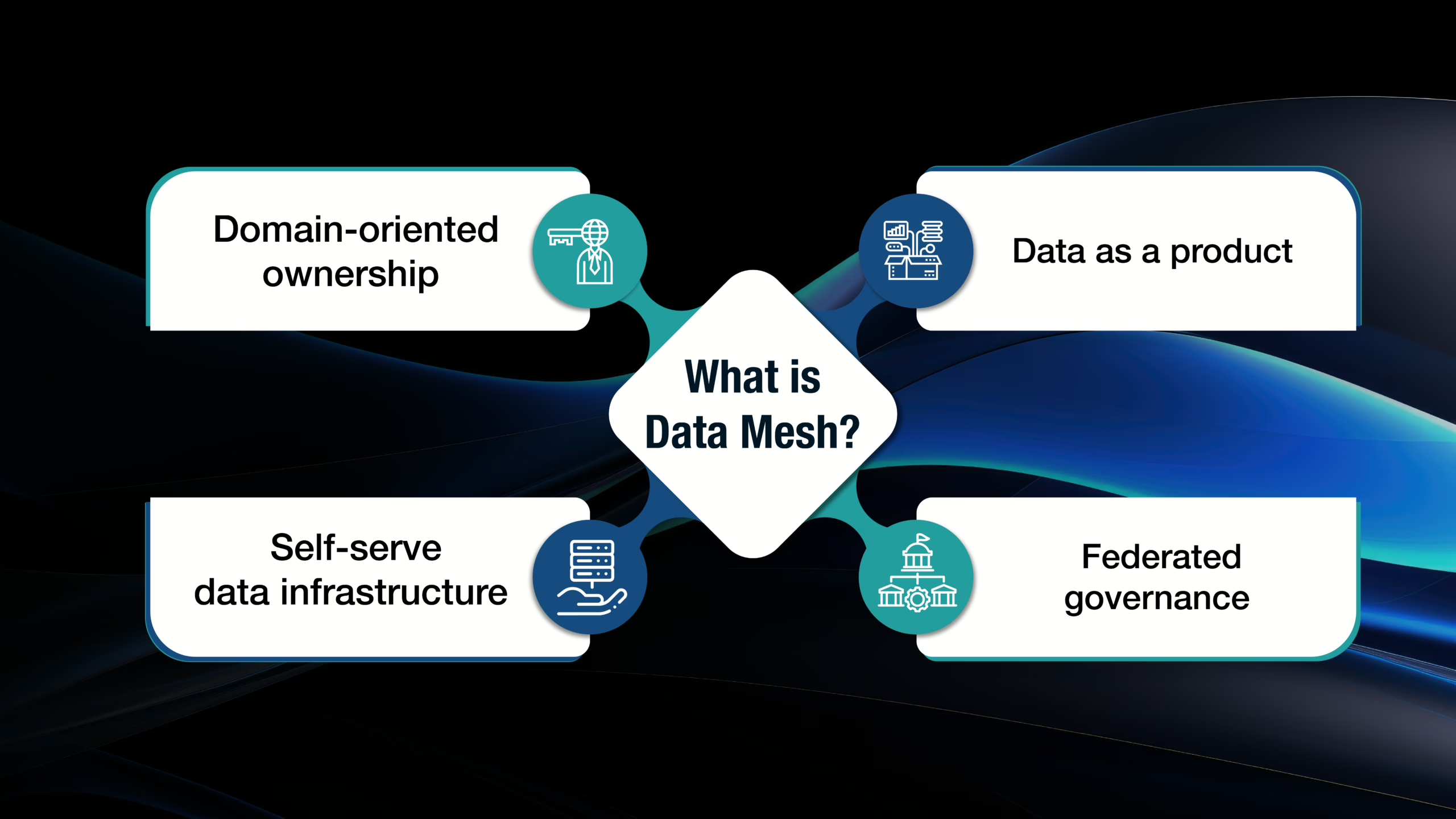
Key Principles:
• Domain-oriented ownership
• Data as a product
• Self-serve data infrastructure
• Federated governance
Why It Matters:
Data Mesh empowers teams to take control of their data, improving agility and reducing bottlenecks caused by centralized data teams.
What is Data Fabric?
Data Fabric is a centralized, technology-driven architecture that connects and integrates data across systems using automation, metadata, and AI.
Key Capabilities:
• Unified data access across environments
• Intelligent data integration and orchestration
• Metadata-driven data management
• Real-time data processing
Why It Matters:
Data Fabric simplifies data access and governance by creating a seamless layer across distributed data sources, without requiring major organizational changes.
When to Choose Data Mesh
Data Mesh is ideal when:
• Your organization has multiple business domains
• You want to scale data ownership across teams
• You are facing bottlenecks with centralized data teams
• You have a strong data culture and governance maturity
When to Choose Data Fabric
Data Fabric is a better fit when:
• You need unified access to distributed data quickly
• Your organization prefers centralized control
• You want to leverage AI for data integration and management
• You are modernizing existing data infrastructure
Can You Use Both?
Yes. Many enterprises are adopting a hybrid approach, using Data Fabric for seamless integration and Data Mesh for decentralized ownership.
This combination allows organizations to balance agility with control, enabling both innovation and governance at scale.
How Cognine Can Help
At Cognine, we help organizations design and implement modern data architectures tailored to their business needs. Our expertise includes:
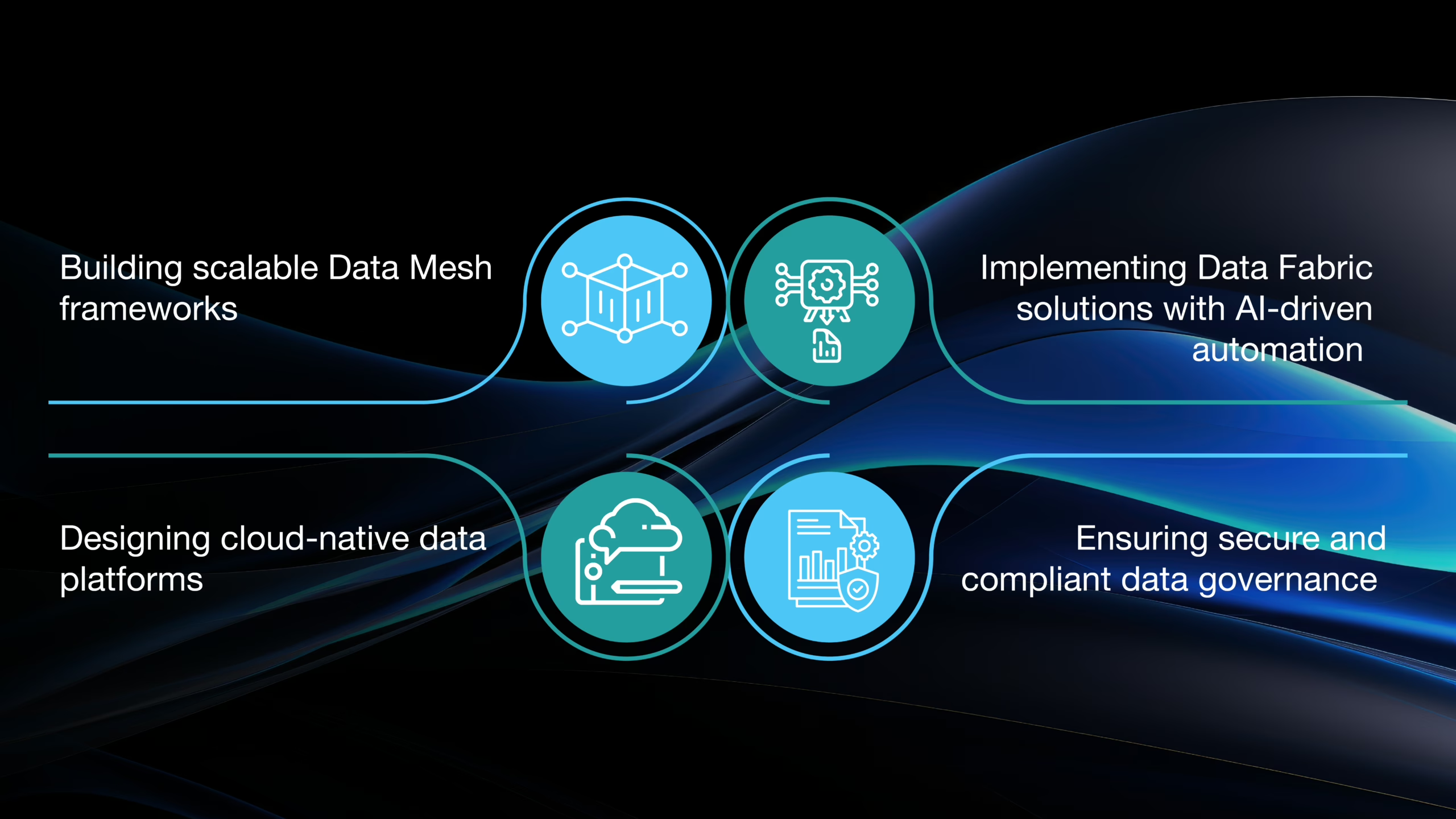
• Building scalable Data Mesh frameworks
• Implementing Data Fabric solutions with AI-driven automation
• Designing cloud-native data platforms
• Ensuring secure and compliant data governance
Conclusion
There is no one-size-fits-all approach. Choosing between Data Mesh and Data Fabric depends on your organization’s structure, goals, and data maturity.
The right architecture will not only help you scale, but also turn your data into a strategic advantage.